
 简体中文
简体中文
ラミネート生産ライン: 操作、セットアップ、メンテナンスの総合ガイド
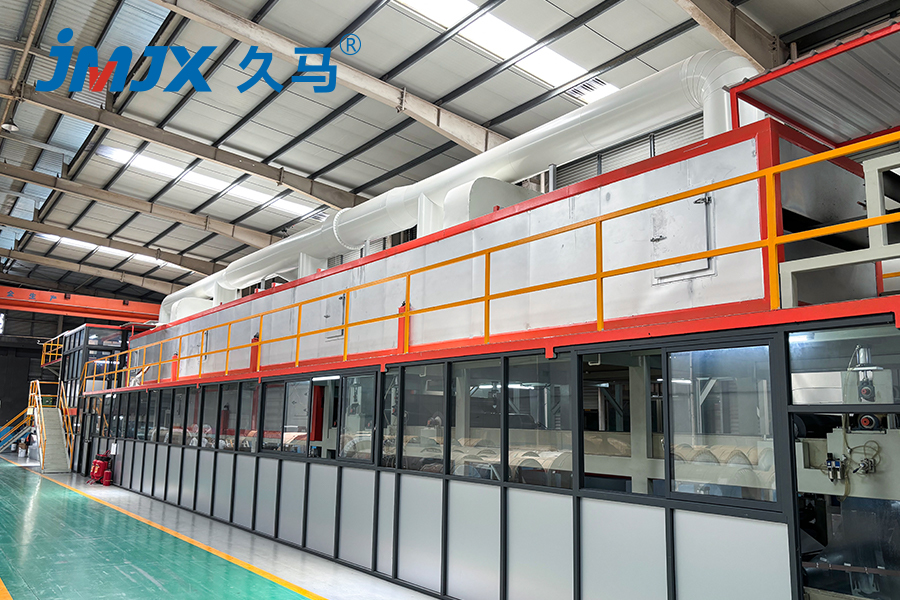
ラミネート生産ラインのご紹介
あ ラミネート生産ライン は、フィルム、紙、布地、複合材料などの材料の複数の層を単一の積層製品に接着するように設計された特殊なシステムです。これらのラインは、包装、エレクトロニクス、自動車、建設業界で広く使用されており、最終製品の一貫した品質、耐久性の強化、およびパフォーマンスの向上を保証します。この記事では、ラミネート生産ラインの選択、設置、操作、保守に関する実践的なガイドを提供します。
ラミネート生産ラインの主要コンポーネント
1. 巻き戻しおよび供給システム
製造工程は、原料をロールから解くことから始まります。精密供給システムにより、素材に正しく張力がかかり、しわ、伸び、位置のずれが防止されます。電動ローラー、張力コントローラー、位置合わせガイドは、この段階では重要なコンポーネントです。適切なセットアップにより無駄が削減され、一貫した製品品質が保証されます。
2. コーティングと接着剤の塗布
あdhesive application is a vital part of the laminating process. Depending on the material and process requirements, hot melt, solvent-based, or UV-curable adhesives are used. Coating rollers, doctor blades, or spray systems ensure uniform adhesive distribution. Correct viscosity, temperature, and pressure settings prevent defects such as bubbles, uneven layers, or weak bonding.
3. ラミネートおよびプレスユニット
ラミネートユニットは通常、加熱ローラーまたはフラットプレスを使用して、制御された圧力と温度の下で層を接着します。高度なラインには、多層ラミネート用の複数のローラーや、エアポケットを排除する真空支援システムが含まれる場合があります。材料に損傷を与えることなく高品質のラミネートを実現するには、圧力、温度、速度を適切に制御することが不可欠です。
4. 乾燥および冷却セクション
接着剤の硬化または熱活性化ラミネートの場合、赤外線ヒーター、熱風、または UV ランプを使用した乾燥セクションにより、完全な接着が保証されます。冷却ローラーまたは冷却セクションは、ラミネート製品を安定させ、反りや変形を防ぎます。効率的な乾燥と冷却により、生産速度が向上し、欠陥が減少します。
5. 巻き戻しおよび切断システム
あfter lamination, the product is rewound onto rolls or cut into sheets. Precision cutters and slitting systems ensure the correct dimensions and minimal material waste. Automated tension control and edge alignment systems maintain consistent quality during this final stage.
インストールとセットアップのガイドライン
1. サイトの準備
生産ラインは、重機を支えることができる水平で安定した面に設置する必要があります。操作、メンテナンス、マテリアルハンドリングのための十分なスペースが必要です。機械の仕様に従って適切な換気と電源を確保してください。
2. 機械的な調整
あlignment of rollers, feeding systems, and laminating units is critical. Misaligned components can cause wrinkles, bubbles, or uneven bonding. Use laser alignment tools or mechanical guides to ensure precise installation. Proper alignment reduces wear on motors and rollers and improves product quality.
3. 電気および制御システムのセットアップ
ラミネート生産ラインでは、PLC、センサー、モーター コントローラーを使用して速度、温度、圧力を管理します。設置中に正しい配線、接地、安全インターロックが行われていることを確認してください。操作エラーを防ぐために、本格的な生産の前にセンサーを校正し、すべての制御機能をテストします。
運用上のベストプラクティス
1. 材料の取り扱いと準備
材料を適切に準備することで欠陥が減少します。ロールにほこり、湿気、損傷がないことを確認してください。反りを避けるために、加工前に温度に敏感な素材を調整してください。給紙ミスや破れを防ぐために、給紙システムは張力と位置が正しく調整される必要があります。
2. 監視と調整
オペレーターは、生産中に張力、温度、圧力、接着剤の流れを継続的に監視する必要があります。リアルタイムの調整により、剥離、気泡、塗装ムラなどの不良を防ぎます。自動フィードバック システムを使用して、安定したプロセス条件を維持し、一貫性を高めます。
3. 品質管理
厚さの測定、接着剤の均一性、エッジの位置合わせなど、さまざまな段階で品質チェックを実施します。目視検査とサンプリング テストは、初期不良の検出に役立ちます。品質ログを維持すると、トラブルシューティングと継続的なプロセスの改善が可能になります。
メンテナンスとトラブルシューティング
1. 定期的なメンテナンス
定期的なメンテナンスにより、スムーズな動作が確保され、機器の寿命が長くなります。主なタスクは次のとおりです。
- 可動部品、ギア、ベアリングの潤滑。
- ローラーやコーティングシステムからの接着剤残留物の洗浄。
- 電気接続、センサー、モーター機能をチェックします。
- 摩耗したベルト、ローラー、ナイフの検査と交換。
2. 一般的なトラブルシューティングの問題
典型的な問題と解決策には次のようなものがあります。
- しわや位置のずれ: ローラーの位置と張力を調整します。
- あdhesive bubbles or poor bonding: Check adhesive viscosity, temperature, and pressure.
- 不均一な厚さ: ローラーの摩耗を検査し、コーティング ユニットを調整します。
- 材料の破れや破損: 材料の取り扱い、張力、送りの精度を確認します。
プロセス最適化戦略
1. 自動化と制御
張力、温度、速度のセンサーを備えた自動制御システムを導入すると、一貫性が向上し、手動介入が減ります。データロギングとリアルタイム監視との統合により、予知保全と問題の早期検出が可能になります。
2. 材料の選択と互換性
互換性のある材料と接着剤を選択すると、より強力な接着が保証され、廃棄物が削減されます。本格的な生産の前に小バッチで組み合わせをテストし、圧力、温度、速度の最適な設定を特定します。
3. オペレータートレーニング
十分な訓練を受けたオペレーターは、問題を迅速に検出し、調整を実行し、一貫した製品品質を維持できます。機器の操作、トラブルシューティング、安全プロトコルに関する定期的なトレーニングにより、ダウンタイムや生産エラーが削減されます。
結論
あ laminating production line is a complex system requiring precise coordination of mechanical, electrical, and process parameters. Proper setup, operation, and maintenance are crucial for achieving high-quality laminated products efficiently. By following best practices in installation, monitoring, quality control, and preventive maintenance, manufacturers can ensure long-term reliability, reduce waste, and optimize production performance.
 Phone: +86-180 1500 4677
 Tel: +86-519 8899 7278
 Email:
工場住所 1: 中国安徽省広徳市東開発区広宜路19号
工場住所 2: 中国江蘇省常州市武進区昌武南路205号
