
 简体中文
简体中文
多機能複合パネル生産ライン: ガイドと仕様
多機能複合パネル生産ラインとは何ですか?
あ 多機能複合パネル生産ライン は、単一の構成可能なライン、または製品タイプ間で迅速に再構成できるモジュラー ライン アーキテクチャ内で、木質プラスチック複合材 (WPC)、PVC 発泡ボード、繊維セメントボード、アルミニウム複合パネル (ACP)、サンドイッチ構造パネルなどのさまざまな複合パネル製品を生産するように設計された統合製造システムです。多機能ラインの特徴は、専用の単一製品の押出成形や積層システムとは異なり、生産の合間に完全な設備の再構築を必要とせずに、複数のパネル仕様と材料の組み合わせに対応できることです。
多機能複合パネルラインの需要は、建築、家具、輸送、梱包分野で多様化する顧客要件に直面しているメーカーによって牽引されています。有能な多機能ラインを備えた単一の生産施設は、あるシフトで ACP を使用して建物のファサード クラッディング市場にサービスを提供し、別のシフトで室内家具の基板パネルを生産することができます。これは、単一製品ラインでは実現できない柔軟性であり、資産の利用率と資本投資収益率を大幅に向上させます。
最新の多機能複合パネルラインは、押出または連続プレス、表面仕上げ、切断、ハンドリングを単一の自動生産フローに統合します。 、製品固有のプロセスパラメータを保存および呼び出すデジタル制御システムを備えており、オペレータは数日ではなく数時間でパネルタイプ間を移行できます。
生産されるパネルの種類とその市場用途
多機能複合パネル生産ラインの商業的価値は、生産できるパネルの種類の幅広さと市場性によって主に決まります。以下のカテゴリは、最新の多機能ラインで製造された最も商業的に重要な製品を表しています。
木とプラスチックの複合(WPC)パネル
WPC パネルは、木材繊維または小麦粉 (通常 50 ~ 70 重量%) と熱可塑性ポリマー (主に HDPE、PP、または PVC) を組み合わせて、木材の加工性と自然な外観、プラスチックの耐湿性と寸法安定性を組み合わせたパネルを製造します。最終市場には、外装デッキ、壁被覆材、内装床材、家具コンポーネントが含まれます。 WPC パネルは、二軸押出成形、その後のキャリブレーション、冷却、および表面エンボス加工によって製造され、リアルな木目テクスチャを作成します。特にヨーロッパと北米では、メンテナンスの手間がかからない外装クラッド材に対する需要が高まっており、WPC パネルの生産は多機能ラインで最も商業的に魅力的な機能の 1 つとなっています。
PVCフォームボード
PVC フォームボード (Celuka ボード、Forex ボード、または拡張 PVC とも呼ばれる) は、自由発泡プロセスまたは Celuka 押出プロセスを通じて PVC コンパウンドを発泡させることによって製造され、滑らかで機械加工可能な表面を備えた軽量で剛性の高いパネルを作成します。密度は対象用途に応じて 0.35 ~ 0.75 g/cm3 の範囲です。低密度ボードは看板、展示会、ディスプレイ市場に使用されます。より高密度のバリアントは、家具の基材、バスルームのキャビネット、船舶の内装パネルとして使用されます。 PVC フォームボードは、複合パネルラインで実現可能な最も利益率の高い製品の 1 つです。 その広範な適用範囲、湿気の多い環境における木製パネルよりも優れた機械加工性、そして広告および看板業界からの一貫した需要によって推進されています。
あluminum Composite Panel (ACP)
あCP consists of two thin aluminum skins (typically 0.3–0.5mm) bonded to a polyethylene or mineral-filled fire-resistant core, forming a lightweight, flat, and stiff panel used extensively in building façade cladding, signage, and interior partitioning. ACP production requires a continuous roll-forming and lamination line that feeds coil aluminum, applies adhesive, laminates the core material, and bonds the second aluminum skin under controlled temperature and pressure — a process distinct from extrusion-based panel production. Multi-functional lines that incorporate ACP capability typically do so through a modular lamination unit that can be engaged or bypassed depending on the production program.
ファイバーセメントと酸化マグネシウム (MgO) ボード
無機複合板(繊維セメント、MgO 板、ケイ酸カルシウム板)は、湿式プロセスまたは半乾式プロセスの成形、連続プレス、硬化の各段階を統合した多機能ラインで生産されることが増えています。これらのパネルは、有機ポリマー パネルでは実現できない耐火性 (A2 またはクラス 1 耐火等級)、耐湿性、および寸法安定性を備えているため、商業建築における耐火間仕切りシステム、外装外装、湿潤エリアの壁パネルの仕様として選択されています。
サンドイッチ構造パネル
金属、GRP、または複合外装スキンの間に硬質フォーム (PIR、EPS、またはミネラルウール) コアが接着された構造サンドイッチ パネルは、建築、冷蔵倉庫、および輸送用途向けの連続ダブルベルト プレス ラインで生産されます。サンドイッチ パネルの断熱性能と構造効率により、プレハブ建築システム、冷蔵トラックの車体、モジュール式クリーンルーム建設で主流となっています。
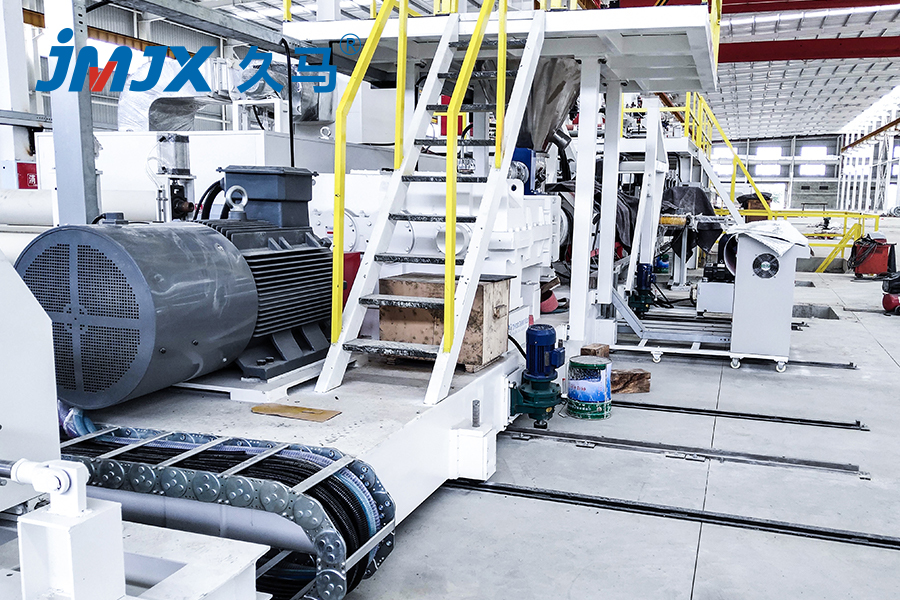
コア機器とラインアーキテクチャ
あ multi-functional composite panel production line is an assembly of interlinked process stations, each performing a specific transformation of the material stream. The modular architecture of leading systems allows individual stations to be added, removed, or reconfigured as the product mix evolves.
原料の投入と混合
重量計量計量システムは、ポリマー、充填剤、添加剤、着色剤、発泡剤といった複数の原料の流れを正確に計量して混合または配合段階に送り込みます。この段階での精度は、生産工程全体にわたるパネルの密度、色、および物理的特性の一貫性を直接決定します。高性能計量システムは±0.1重量%の供給精度を達成し、容量計計量計量システムと比較して材料の無駄やバッチ間のばらつきを大幅に削減します。
押出または成形ユニット
ポリマーベースの複合パネルの場合、押出ユニット(通常は WPC などの配合量の多い製品の場合は同方向回転二軸押出機、PVC フォームボードの場合は逆回転二軸スクリュー)が生産ラインの熱的かつ機械的な中心となります。 スクリューの直径と L/D 比 (長さ対直径、複合パネル用途の場合は通常 32:1 ~ 48:1) によって、処理能力と達成可能な材料の均質化の程度が決まります。 。多機能ラインでは、押出機バレル全体を交換することなく、さまざまな材料システムに合わせて再構成できるモジュール式スクリュー形状が採用されることがよくあります。
ダイおよびキャリブレーション システム
フラット ダイ (シート ダイ) は、押し出された溶融物を必要なパネル幅と公称厚さプロファイルに形成します。ダイの下流では、まだ柔らかいパネルが通過する一連の精密に機械加工された真空サイジング プレートまたはロールである校正ユニットが、最終的なパネルの寸法と表面品質を設定します。ダイの設計は製品ごとに異なります。多機能ラインでは、パネル タイプごとにダイと校正ツールのライブラリを維持しており、ダイの複雑さと熱サイクル要件に応じて切り替え時間は 2 ~ 6 時間です。
冷却と引き取り
校正されたパネルは、引き取りユニットの前に、水冷または空冷の冷却タンクを通過して取り扱い温度までパネルが固化されます。同期ベルトまたはキャタピラプーラーによる引き取りでは、制御された張力を適用して、一定のライン速度で校正セクションと冷却セクションを通してパネルを引き出します。押出機の出力、引き取り、下流の切断ステーション間の速度の同期は、パネルの長さに沿った寸法の一貫性を維持するために重要です。
表面処理とラミネート加工
インライン表面処理機能により、多機能ラインの価値が大幅に拡大します。オプションには、コロナ処理 (下流のラミネートの接着力の向上)、インライン エンボス加工 (木目、石、または幾何学的なテクスチャを高温のパネル表面に直接適用)、装飾フィルム ラミネート (PVC または紙の装飾フィルムを単一のインライン パスでパネル表面に接着) が含まれます。インライン ラミネートでは、別個のオフライン ラミネート ステップが不要になり、取り扱い、保管スペース、人件費が削減されます。
切る、積む、扱う
飛行カットオフソーまたは移動クロスカットソーは、生産ラインを停止することなく、連続パネルを必要なパネル長さに切断します。自動スタッキング システムは、カットされたパネルを梱包および保管するための束に蓄積し、スタッキング前にビジョン システムがインラインで寸法および表面品質検査を実行します。
ライン構成全体にわたる主要な技術仕様
| パラメータ | エントリーレベルライン | 中規模ライン | 大容量ライン |
|---|---|---|---|
| パネル幅の範囲 | 600~1,220mm | 1,220~1,830mm | 最大2,440mm |
| パネル厚さの範囲 | 3~12mm | 3~25mm | 3~40mm |
| 出力容量 | 200~400kg/時 | 400~800kg/時 | 800~2,000kg/時 |
| 製品切り替え時間 | 4~8時間 | 2~6時間 | 1~4時間 |
| 押出機の駆動力 | 37~75kW | 75~200kW | 200~500kW |
| あutomation Level | 半自動 | ほとんどが自動化されている | 全自動MES |
あutomation, Control Systems, and Industry 4.0 Integration
多機能複合パネルラインの自動化アーキテクチャは、主要な競争上の差別化要因となっており、労働効率だけでなく、製品の一貫性、エネルギー消費、生産中の品質の逸脱にラインが対応できる速度も決定します。
最新のラインは、リアルタイムのプロセス データ (溶融温度プロファイル、スクリュー速度、引き取り速度、ダイ圧力、パネル厚さの測定値) を統一されたオペレーター ビューで表示する HMI タッチスクリーンと連動した PLC ベースのシステム (シーメンス S7 またはアレン・ブラッドリー ControlLogix が業界で主流のプラットフォーム) によって制御されています。 レシピ管理システムは各パネル製品の完全なプロセス パラメータ セットを保存するため、オペレータは数十の個別パラメータを手動で調整するのではなく、新しい製品レシピを選択することで製品切り替えを開始できます。 — セットアップ時間と移行中のプロセスエラーのリスクを大幅に削減します。
インライン品質測定システム (レーザー厚さ計、スキャニング単位面積あたりの重量センサー、および画像検査カメラ) は、制御システムに継続的にフィードバックを提供し、オペレーターの介入なしでパネルの厚さと表面品質の閉ループ制御を可能にします。統計的プロセス制御 (SPC) モジュールは、仕様限界に対する測定データをログに記録し、プロセス能力指数 (Cpk) が許容しきい値を下回った場合にアラートを生成するため、事後対応的な欠陥検出ではなく、プロアクティブな品質管理が可能になります。
大手メーカーは、製造実行システム (MES) 接続を自社のラインに統合し、製造オーダー管理、材料トレーサビリティ、OEE (設備全体効率) 追跡、およびエネルギー監視をライン レベルのコントローラーではなくエンタープライズ レベルのシステムから管理できるようにしています。この統合により、自動車供給複合パネル アプリケーションにおける ISO 9001 や IATF 16949 などの認証に必要なデータ インフラストラクチャがサポートされます。
サプライヤーと総所有コストの評価
あ multi-functional composite panel production line represents a capital investment typically ranging from $500,000 for entry-level configurations to $5 million and above for fully automated high-capacity systems. Given this investment scale, supplier evaluation must extend well beyond quoted machine price to encompass the total cost of ownership across a 10–15 year operational life.
プロセスエンジニアリングサポート
アプリケーション固有のプロセス開発サポート(配合の最適化、新しいパネルプロファイルのダイ設計、試運転支援など)を提供する装置サプライヤーの能力は、多くの場合、競合サプライヤー間の機械仕様のわずかな違いよりも価値があります。購入者は、サプライヤーと契約する前に、同様のパネル タイプを製造している既存の顧客にリファレンスをリクエストし、運用設備を訪問する必要があります。
スペアパーツの在庫状況とリードタイム
スペアパーツの待機による生産ラインのダウンタイムにより、生産量が失われ、1 日あたり数万ドルの損失が発生する可能性があります。 地域のスペアパーツ在庫、標準コンポーネントのリードタイム、および世界的に入手可能な標準ブランドから調達される重要コンポーネントの割合に関してサプライヤーを評価します。 サプライチェーンの脆弱性を生み出す独自の単一ソース部品との比較。標準の Siemens、SEW、または Festo コンポーネントを中心に構築されたラインは、OEM のサービス ネットワークが制限されている地域での保守が大幅に容易になります。
エネルギー効率
エネルギー消費 (主に押出機の駆動モーター、バレル ヒーター、冷却システム) は、継続的な運用コストの大きな部分を占めています。パネル出力 1 キログラムあたりの kWh として表される比エネルギー消費量 (SEC) は、機器の世代によって大きく異なります。すべての主要モーターの最新の可変周波数駆動 (VFD) システム、エネルギー回収冷却システム、および最適化されたバレル断熱材により、古い機器設計と比較して SEC を 20 ~ 35% 削減でき、数十年のライン寿命にわたって大幅な節約が可能です。
アップグレードと拡張の経路
主要な多機能ラインのモジュラー アーキテクチャにより、ライン全体を交換することなく、インライン ラミネート ユニットの追加、大型押出機へのアップグレード、追加の品質測定システムの設置など、段階的な機能拡張が可能になります。購入者は、購入前にアップグレードの経路と関連コストをサプライヤーに確認し、初期資本投資が 5 ~ 10 年の期間にわたってビジネスに必要な生産の柔軟性をサポートしていることを確認する必要があります。
 Phone: +86-180 1500 4677
 Tel: +86-519 8899 7278
 Email:
工場住所 1: 中国安徽省広徳市東開発区広宜路19号
工場住所 2: 中国江蘇省常州市武進区昌武南路205号
